Leave me alone! Go away!

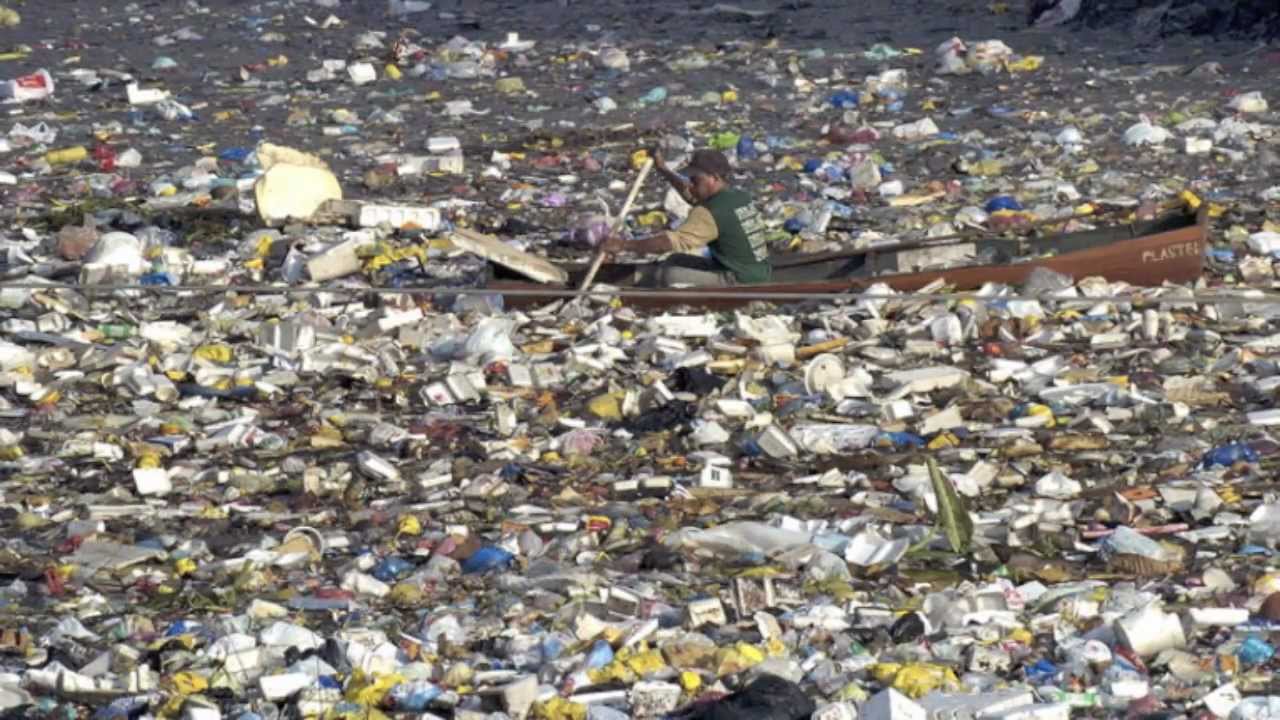
Well, if you won’t go leave, I guess I’ll tell you what I think about this new travel destination I heard about by googling on a smartphone somebody had thrown into my garbage bin.
Here’s the thing about me: I love trash. And as much as I love Sesame street, I heard there were some great diving and snorkeling opportunities in the Pacific Ocean. As it happens, I have my diving certification from the local Fresh Kills dump in Staten Island. So I took a flight to Los Angeles and then followed the trash out to sea. Here’s my take on “the patch”, as my trashy friends have dubbed it.
First Impressions: The Pacific Garbage Patch was basically billed to me as the Hawaii of Garbage, but it’s really more like the Australia of garbage. And that’s not necessarily a bad thing. But this is really a vacation for trash lovers like me who want to get away from it all for a while. The garbage patch is an opportunity for some reflection (in the plastic) and walk-about, or swim-about. And this is the biggest issue I have with the patch, something they don’t tell you in the travel magazines: if you’re going to the patch, you need to bring your own inflatable wastebin. Unlike a trip to the dump or landfill, this trash “patch” is really more of a soupy swimming hole. There are unfortunately no amenities, which is fine, but sometimes it’s good to have a can to sleep in at night.
The water, however, is truly spectacular. The trash here is, in my opinion, some of the most beautiful in the world. As far as the eye can see, tiny flakes and pieces of “nurdles”, at least a thousand different species of plastic, things that have to be seen to be believe: pigmy plastic bottles, sharks caught in fishing nets, broken yo yos, Starbucks cups that have been melted by the sun into funnel shapes, dirty dishes, clean dishes, an entire IKEA furniture set.
It’s enough to make you cry tiny plastic tears.
Dining: If you’re going to the patch, you better like plastic. Plastic coated plankton. Plastic fish. Some of the more exclusive dining options include a variety of different chemicals that have leached into the garbage.
I personally enjoy the “Debris Platter”, bisphenol and polystyrene-infused litter which can also be ingested by aquatic life, giving them the a kind of nutty aftertaste that you just won’t find in the dumpsters of even the most celebrated New York restaurants.

Price: The cost of a vacation to the Patch depends on what kind of accommodations you want to bring with you. A typical plastic wastebin will set you back about $15, although you’ll also need to bring some garbage with you to eat. Unless you want to boil the water from the ocean, I’d suggest trying to collect about 50 opened water bottles or so, and if they’re plastic you can just dump them in the water and watch them “follow” you into the heart of the ocean. It’s usually pretty hard to find a snorkel or fins, even if you put a sign out on your trash bin that says “HUNGRY STARVING AND GROUCHY PLEASE GIVE ME AQUATIC SUPPLIES.”
However, if there are any plastic straws that are intact and haven’t decomposed, you can use those when you get out to the Patch.
Activities: My favorite option that I found was the “polymer tasting” which includes a sample of 117 different kinds of plastics from all over the world, although most of them at one point or another were in China. In the beginning, you can really taste the subtle differences, and appreciate the nicer venues accompany the plastic with small edibles like neuston. But after about a few dozen you’re pretty far gone from all the chemicals, so honestly I could barely remember the last hour or so. Which just makes it even better.
Deep sea dumpster-diving companies also let you view the “ocean before garbage”, a land time forgot, approximately 20 feet below the surface. It’s kind of boring.
When to Go: My recommendation is to try to get here before 2016. Right now the patch is relatively pristine, but with an aggressive advertising campaign from the environmental industry, the tourist population figures to grow pretty rapidly over the next few years.
Also it seems like developers are scheduled to come in in about a year and clear out some of the scummier sections, which is a shame. This is gentrification at its worst; if they raise the cost of polluting in the ocean than nobody will be able to afford to experience the garbage patch.
Not to mention, all the noise of all those clean-up boats swarming what was a peaceful and quiet neighborhood. Truly despicable.
Thankfully, there’s a lot of activism trying “save the patch” and prevent the destruction of this amazing habitat. For a citygoer like me whose idea of a “big landfill” is over in Fresh Kills, its pretty mind-blowing to know you amidst a collection of trash that’s approximately the size of Texas. Although there are other gyres that generate patches of garbage, overall the Pacific Patch is the largest so it would really be a shame for someone to clean this up.

What You Can Do to Save the Patch: Just try not to do anything different. Business as usual is what created this beautiful seascape, and if we can maintain this kind of progressive inertia then we can continue to keep the patch open for tourism.
Please don’t try to clog the pathways along rivers and streams with filters or garbage nets, because we need the plastic to be able to stream into the ocean. Please don’t recycle or sort your trash, because then the garbage will stay on land, where it can’t provide any nutrients to the marine plankton.
Parting Thoughts: Okay now scram!

 Culture Time
Incredibly sad and full of dismay that we have ruined our only home.